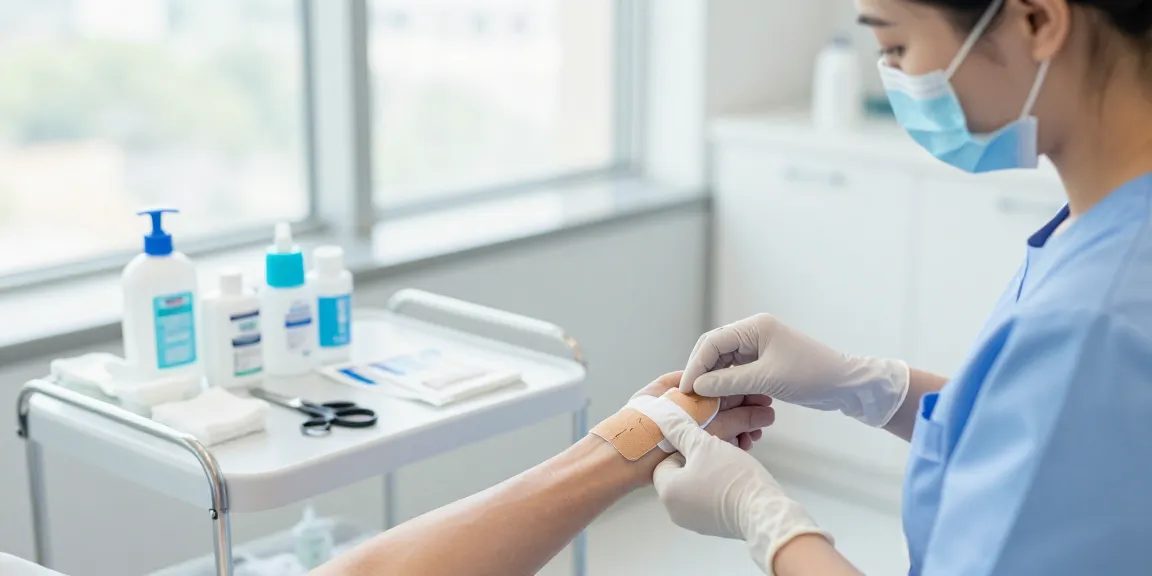
Understanding Bandage Adhesive: Types and Uses
Bandage adhesive is a critical component in medical applications, serving as the bond that keeps dressings securely in place while protecting wounds from infection and further injury. As we explore the landscape of bandage adhesives, it is crucial to understand their types, applications, and the factors that influence their performance. This knowledge is particularly beneficial for healthcare professionals and individuals alike, ensuring optimal outcomes in wound management. When exploring options, bandage adhesive solutions should be evaluated based on their formulation and suitability for the intended application.
What is Bandage Adhesive?
At its core, bandage adhesive is a specialized substance designed to adhere medical dressings to skin. The adhesive can vary widely in terms of chemical composition, strength, and intended use. The primary purpose of bandage adhesive is to provide a secure attachment that prevents the dressing from dislodging, thereby enhancing healing while minimizing discomfort. There are also various formulations of bandage adhesive, including those suitable for sensitive skin, waterproof applications, and those that are designed for long-term wear.
Types of Bandage Adhesives Available
Understanding the different types of bandage adhesives is essential for effective wound care. Here are some common categories:
- Acrylic Adhesives: Known for their strong bonding properties, acrylic adhesives are often used in dressings for chronic wounds. They offer excellent adhesion even in moist environments.
- Rubber Adhesives: Rubber-based adhesives provide a strong bond and are commonly used in tape applications. They are generally less expensive but can cause skin irritation for some users.
- Water-Soluble Adhesives: These are primarily used in temporary dressings and are beneficial for easy removal. They can be washed away or dissolved in moisture, providing a user-friendly experience.
- Silicone Adhesives: With their gentle adhesive properties, silicone adhesives are perfect for sensitive skin, preventing irritation during removal and providing less trauma to the skin.
- Biodegradable Adhesives: As sustainability becomes increasingly important, biodegradable adhesives are emerging in the market, designed to break down naturally without harming the environment.
Applications in Healthcare and First Aid
Bandage adhesives have myriad applications in both healthcare settings and personal first aid. In hospitals, they are used for securing dressings on surgical wounds, while in home care, they facilitate the treatment of minor cuts and abrasions. Additionally, specialized bandage adhesives are employed in sports medicine to support injured areas, enhance recovery, and provide stability.
Choosing the Right Bandage Adhesive for Your Needs
Selecting the right bandage adhesive can significantly impact recovery and comfort. Several factors need to be considered during this process.
Factors to Consider When Selecting Adhesive
When choosing a bandage adhesive, it’s vital to assess the specific requirements of the wound or injury. Important factors include:
- Type of Wound: Consider the size, depth, and type of the injury, as some adhesives are better suited for chronic wounds while others are designed for acute injuries.
- Skin Sensitivity: Evaluate whether the patient has sensitive skin or any known allergies to particular adhesive materials.
- Moisture Exposure: Determine if the dressing will be exposed to moisture, as waterproof adhesives are preferred for such situations.
- Duration of Use: The length of time the adhesive is required to stay in place can influence your choice; some adhesives are designed for short-term while others can last for days.
Assessing Skin Sensitivity and Allergies
Skin sensitivity is a critical consideration when selecting a bandage adhesive. Many individuals may experience allergic reactions to certain materials, particularly latex and certain adhesives. Conducting a patch test on a small area of skin before applying a bandage is advisable for those with known sensitivities. Silicone adhesives are often recommended for those prone to allergies due to their gentle adhesion properties.
Comparing Adhesive Strength and Durability
Not all adhesives are created equal. Some may provide more robust adhesion, while others are designed for easy removal. Comparing the strength and durability of various options is essential, especially in cases where the dressing may be subject to movement or moisture. For instance, athletes may require a more durable option to withstand impact and sweat.
Best Practices for Applying Bandage Adhesive
The application of bandage adhesive is an integral part of wound care. Proper techniques can enhance healing and minimize discomfort.
Preparation and Cleanliness Before Application
Before applying any adhesive bandage, it is vital to ensure that the skin is clean and dry. Washing the area with soap and water, followed by thorough drying, helps prevent infections and enhances the adhesion of the bandage. Additionally, consider wearing gloves to maintain hygiene and prevent introducing bacteria to the wound.
Step-by-Step Application Techniques
- Position the Dressing: Align the bandage over the wound to ensure complete coverage.
- Apply the Adhesive: Carefully peel away the backing and press the adhesive against the skin, ensuring firm contact.
- Secure the Edges: Make sure the edges of the bandage adhere well to the skin to prevent loosening.
- Monitor for Comfort: Check the patient’s comfort level and adjust if necessary.
Post-Application Care and Monitoring
After applying the bandage adhesive, it is crucial to monitor the wound for any signs of infection or adverse reactions, such as increased redness, swelling, or discomfort. Changing the dressing as recommended and keeping the area clean can optimize healing. Additionally, educate patients on what signs to look for to ensure prompt action if complications arise.
Common Challenges with Bandage Adhesive
Despite their many benefits, bandage adhesives can pose challenges. Understanding these can help mitigate issues effectively.
Allergic Reactions and Skin Irritation
Allergic reactions to bandage adhesives are not uncommon. Symptoms may include itching, redness, or blistering around the area of application. Choosing hypoallergenic adhesives and ensuring skin integrity prior to application can reduce the likelihood of such reactions. In cases of severe allergies, alternative methods of securing dressings should be considered.
Adhesive Failures: Reasons and Solutions
Adhesive failures can occur for various reasons, leading to premature detachment of the bandage. Common causes include moisture, improper application technique, and using an adhesive that is not suited for the specific type of wound. To combat this, ensure that the area is dry before application, and choose the right adhesive type based on the wound characteristics and environmental factors.
Debunking Adhesive Myths and Misconceptions
Several myths about bandage adhesives can lead to misunderstandings. One common misconception is that stronger adhesives are always better. In reality, the best adhesive depends on the individual’s skin type and the specific medical needs. Educating patients and healthcare providers about the various options available can help dispel these myths.
Future Trends in Bandage Adhesive Technology
The realm of bandage adhesives is evolving rapidly. Keeping up with trends can help healthcare providers select the best products for their patients.
Innovations on the Horizon for 2026
By 2026, advancements in bandage adhesive technology are expected to focus on biocompatibility, enhanced adherence, and smart materials. Innovations may include adhesives that actively promote healing by incorporating antimicrobial properties or those that change color to indicate infection.
Sustainability Practices in Adhesive Manufacturing
As sustainability becomes a major focus in healthcare, manufacturers are exploring eco-friendly materials in adhesive development. Plant-based adhesives and biodegradable options are on the rise, catering to the growing demand for environmentally conscious products.
Emerging Applications Beyond Traditional Uses
Future applications of bandage adhesive technology may expand beyond typical wound care. Potential advancements include use in cosmetic applications, adhesive technologies for wearable health monitoring devices, and integration with drug delivery systems to improve healing outcomes.
What materials are used in bandage adhesives?
Bandage adhesives are typically composed of a blend of polymers and tackifiers that provide a balance between adhesion and skin compatibility. Common materials include acrylics, rubber, and silicone, each chosen for their specific properties tailored to different applications and skin types.
How to safely remove bandage adhesive?
To safely remove bandage adhesive, gently peel back the edges of the bandage while keeping the skin taut. If resistance is felt, use a warm, damp cloth to loosen the adhesive. Oils or commercial adhesive removers can also be effective in minimizing discomfort during removal.
Can bandage adhesive be used on sensitive skin?
Yes, certain bandage adhesives are specifically designed for sensitive skin. Silicone-based adhesives are often recommended due to their gentle properties, which reduce the risk of irritation and allergic reactions.
What are the signs of an allergic reaction to adhesive?
Signs of an allergic reaction to adhesive can include redness, swelling, itching, blistering, or rash around the area of application. In severe cases, systemic reactions may occur, requiring immediate medical attention.
How do you choose the best bandage adhesive for sports injuries?
When selecting a bandage adhesive for sports injuries, consider factors such as breathability, water resistance, and strength of adhesion. Look for products specifically formulated for athletic use, as they typically withstand sweat and movement while providing support and protection.